
A French 'Les Misérables' Adaptation: An Expansive Yet Unengaging Cinematic Experience
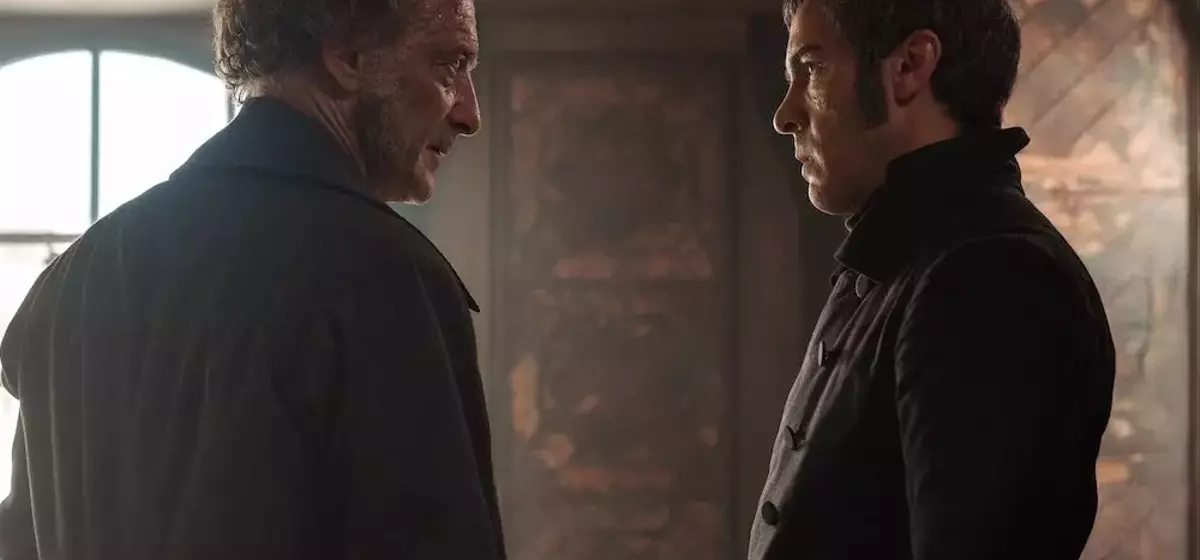
A recent French film adaptation of Victor Hugo's monumental novel, "Les Misérables," directed by Fred Cavayé, has premiered, showcasing a lavish production with a significant budget and a cast of renowned French actors. However, this cinematic endeavor, spanning nearly three hours, has been critiqued for its superficial portrayal of the classic tale. While visually impressive with grand battle scenes and meticulously rendered 19th-century cityscapes, the film reportedly lacks the emotional resonance and sociopolitical depth expected from such a narrative, resulting in a hollow experience despite its ambitious presentation. It appears to prioritize spectacle over genuine character and thematic exploration.
This latest rendition delves into the well-known saga of Jean Valjean's struggle against Inspector Javert, a story so ingrained in popular culture that its familiarity is almost universal. Despite the film's substantial resources, it struggles to carve out a unique identity among the numerous existing adaptations. Rather than offering a fresh perspective, it seems to aim for a definitive, almost archetypal version, which paradoxically leads to a sense of derivation. The extensive runtime, meticulously edited, speeds through the plot without delving into subtext, psychological intricacies, or the socio-political fabric of Hugo's original work, reducing the epic to a series of events without profound impact.
A Grand Narrative's Disappointing Cinematic Reinterpretation
The contemporary French film interpretation of Victor Hugo's esteemed novel, "Les Misérables," helmed by director Fred Cavayé, presents a sprawling 179-minute production notable for its substantial budget and ensemble of leading French performers. Despite these considerable assets, the movie primarily delivers a shallow experience, focusing on grand visuals like sweeping battlefield panoramas and intricately designed historical cityscapes rather than the narrative's inherent emotional weight or intellectual complexities. Reviewers highlight a significant disconnect between the film's impressive scale and its failure to evoke profound sentiment or meaningful engagement with its subject matter, ultimately rendering it an unmemorable addition to the canon of "Les Misérables" adaptations.
This particular iteration of Hugo's classic, featuring actors such as Vincent Lindon and Tahar Rahim, largely treads familiar ground without introducing novel interpretations or significant distinctions from prior versions. The film's approach to storytelling is characterized by a brisk pace that moves swiftly through the plot points, driven by an adventure-oriented score, yet it conspicuously avoids exploring the deeper layers of human suffering, social injustice, or political commentary that are central to the original text. Critics observe that while the film strives for an epic feel, its ambitions are constrained by a reluctance to engage with complex themes, leading to a production that feels paradoxically small and derivative, more akin to a television miniseries than a groundbreaking cinematic event. The absence of a unique vision or a relevant contemporary perspective raises questions about the necessity of yet another adaptation that fails to innovate or deeply connect with its audience.
Casting Choices and Narrative Trajectories in a Familiar Epic
The casting of the latest "Les Misérables" film features acclaimed French actors in key roles, with Vincent Lindon portraying the mature Jean Valjean, a part often seen as an honor for actors reaching the "national treasure" status in French cinema. His performance follows a line of distinguished predecessors. The narrative unfolds through pivotal moments such as Valjean's initial imprisonment for bread theft and his subsequent transformation under the compassionate influence of Monseigneur Myriel, leading him to adopt the identity of M. Madeleine, a respected factory owner and mayor. These character developments are central to the enduring appeal of the story, highlighting themes of redemption and the profound impact of individual choices.
Parallel to Valjean's journey, Inspector Javert's character, played by Tahar Rahim, is depicted with an escalating cruelty driven by personal torment and a relentless pursuit of justice as he perceives it. His background, marked by poverty and abandonment, fuels his rigid adherence to the law and his obsession with Valjean. The film also introduces other iconic characters, including the unscrupulous Thénardiers and the tragic figure of Fantine, whose desperate circumstances lead her to entrust her daughter Cosette to their care. Cosette's eventual rescue and upbringing by Valjean, and her burgeoning romance with the revolutionary Marius, underscore the interwoven fates of these characters against the backdrop of 19th-century France. Despite the detailed plot progression and character development, the film's perceived lack of political and psychological depth raises questions about its relevance and its ability to offer a fresh perspective on a story already deeply embedded in the cultural consciousness.

Ricky Gervais
More Articles
 Entertainment
Review of 'What Remains': A Deep Dive into a Creative Couple's Struggles and Rediscovery
Read Article Entertainment
United Kingdom Dominates International Emmy Nominations; Canada's 'Heated Rivalry' Misses Out
Read Article Entertainment